
Print pad or tempography

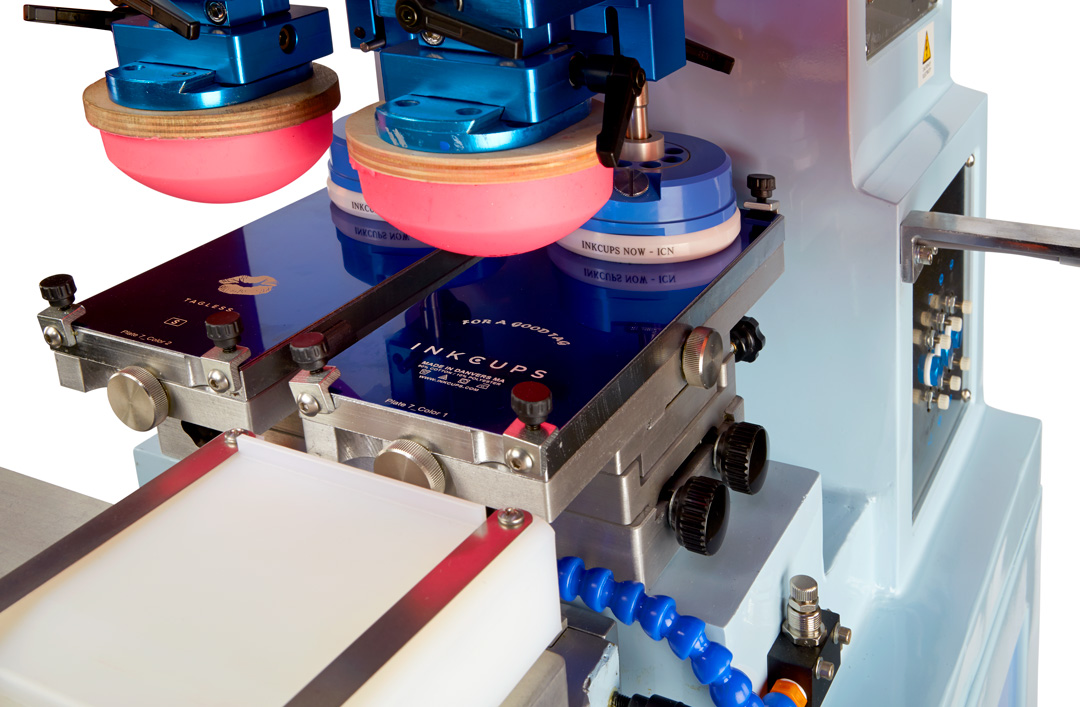
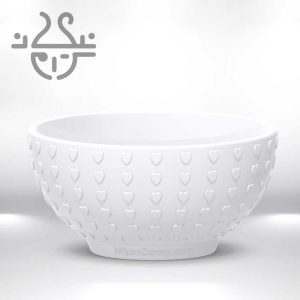
Pad printing, also called temography, is a printing process that can transfer a 2D image to a 3D object. This is done using an indirect offset printing (gravure) process, which involves transferring the image from the stereotype through a silicone pad to a three-dimensional surface such as a plate or bowl.

Pad printing is usually used to print on products that are difficult to print on normally. This technique is used in many industries, including medicine, automobiles, advertising, clothing and electronic objects, as well as household appliances, sports equipment, toys and ceramic dishes.

It can also be used to apply functional materials such as conductive inks, adhesives, paints and lubricants.

The unique properties of the silicone pad allow him to lift the image from the flat screen and transfer it to different surfaces such as flat, cylindrical, spherical, angled, textured, concave or convex surfaces.
A precise method

History:

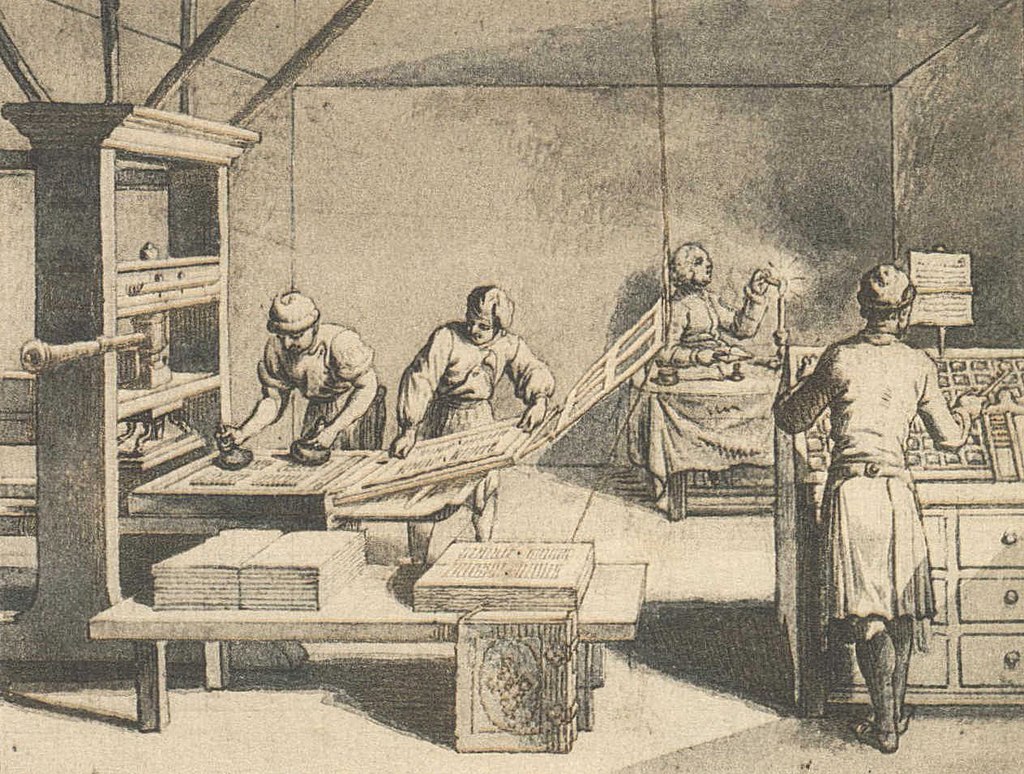
While pad printing facilities have existed for centuries, it was in the 20th century that the technology became popular for widespread use. First established in the watchmaking industry after World War II, technological developments in the late 60s and early 70s, such as silicon pads and more advanced equipment, made the printing method much more practical. The ability to print on previously unprintable surfaces has transformed the perspective of engineers and designers, resulting in an explosion of demand for pad printing in the mass production market.

Today, pad printing is a fairly common technology that covers a wide range of industries and applications.

Silicone pads in different sizes

Pad print process cycle
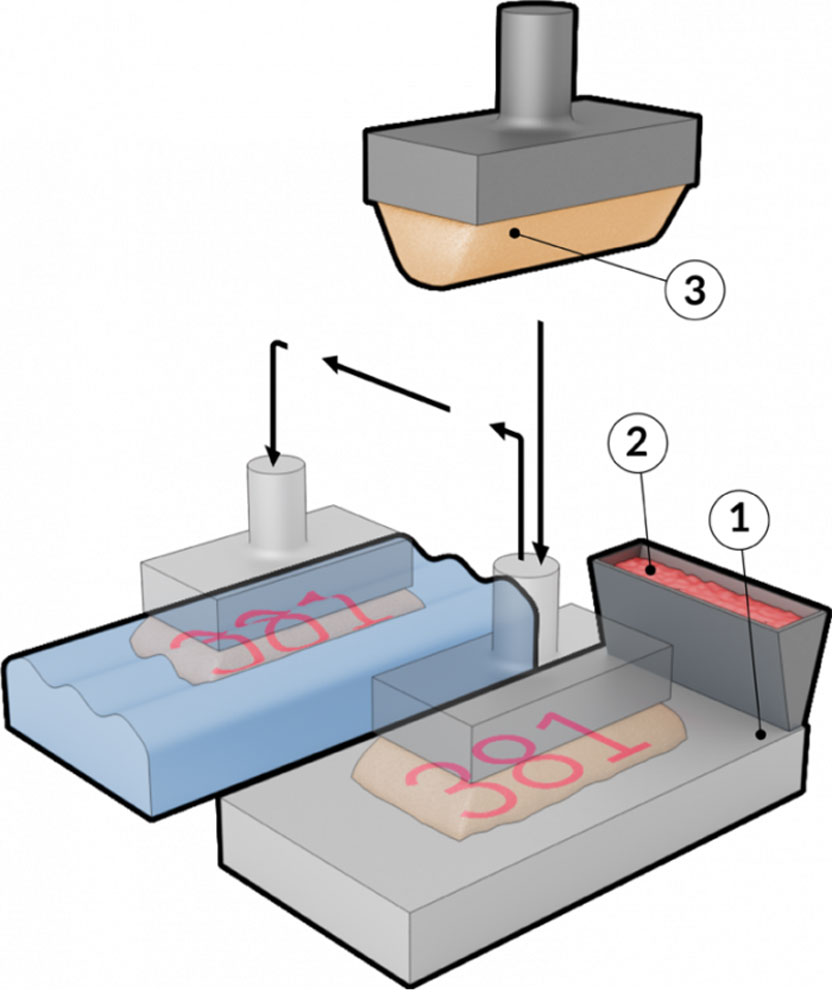
From the initial position, the ink reservoir passes over the image stencil, covering the image and filling it with ink.
The ink seal blade moves over the stencil and collects the excess ink and only the holes of the stencil are filled with ink, which are exposed to air on one side.
The silicone pad comes down and is pressed on the stencil, all the ink in the stencil holes sticks to the silicone pad and is removed from the page.
The pad comes down on the piece and by sitting on the roughness of the piece, it takes its shape, the ink attached to the silicone pad sticks to the piece and the pad is separated from the piece.

The same cycle is repeated. Depending on the type of machine, whether it is one color or multiple colors, the cycle is repeated one or more times for a piece.

The ability to print onthe mug

Print pad in the porcelain and ceramic industry

Finally, we come to the main part which is related to printing on ceramic products. Here, to better understand this technique, you can watch a video about tempography in a porcelain factory. As you can see in this video, this technique is used for inside and outside of the containers and it prints at a high speed.

Read more

پخت بیسکوییت

Gypsum powder for molding

عیب یابی سرامیکها

Gypsum powder for molding

فرمول سرامیک

Gypsum powder for molding